EMDR Basic Training

Course Overview
Mindfulness Matters Psychotherapy

EMDR Basic Training – Comprehensive Course Description

This EMDR Basic Training Program is designed to meet EMDRIA standards for EMDR therapy training.

Total Training Hours
• 20 hours of didactic instruction
• 20 hours of supervised practicum
• 10 hours of consultation

Format
Live virtual training via Zoom with active participation required.

Training Components
• Comprehensive instruction in the eight phases of EMDR therapy
• Demonstrations and supervised practice of EMDR procedures
• Group consultation sessions to support clinical application

Materials Provided
• Digital course manual
• Supplemental resources, including screening tools such as the Dissociative Experiences Scale (DES) and Adverse Childhood Experiences (ACE) questionnaire

Expectations for Participation
• Full attendance at all required sessions
• Camera-on participation during live virtual training
• Active participation in discussions and practicum exercises

Practicum and Consultation
• Structured practicum sessions with instructor feedback
• 10 hours of group consultation

Intended Audience
This training is intended for licensed mental health professionals and qualifying graduate-level clinicians who are eligible to provide psychotherapy and who meet EMDRIA eligibility requirements for EMDR Basic Training.

Skill Level
Beginner / Introductory

Jill Harmon – Trainer Certifications

EMDR-Consultant-Badge-1-300x300
EMDR-certified-therapist-badge-1-300x300

EMDR Basic Training Info

Upon completion of this EMDR Basic Training, participants will be able to:
1) Describe the Adaptive Information Processing model as a theoretical foundation for EMDR therapy.
2) Identify the eight phases of EMDR therapy and describe the purpose of each phase.
3) Explain how client history, readiness, stabilization needs, and treatment suitability are assessed prior to trauma reprocessing.
4) Identify clinical factors that may require additional assessment, preparation, stabilization, or pacing before EMDR reprocessing.
5) Describe the three-pronged protocol and its role in comprehensive EMDR treatment planning.
6) Develop an EMDR-informed treatment plan based on presenting concerns, client history, target selection, and target sequencing.
7) Demonstrate Phase 2 preparation strategies, including stabilization, resourcing, affect management, and establishment of a stop signal.
8) Explain the role of bilateral stimulation and dual-attention tasks in EMDR therapy.
9) Demonstrate Phase 3 assessment procedures, including identification of the target image, negative cognition, positive cognition, emotions, body sensations, SUD, and VOC.
10) Demonstrate Phase 4 desensitization procedures while maintaining fidelity to the standard EMDR protocol.
11) Identify signs of adaptive processing, blocked processing, looping, and client overwhelm, and describe strategies, including cognitive interweaves, for facilitating continued processing.
12) Demonstrate Phases 5–7 procedures, including installation of the positive cognition, body scan, and appropriate closure of complete and incomplete sessions.
13) Describe the purpose of Phase 8 reevaluation and its role in ongoing treatment planning and target sequencing.
14) Describe and demonstrate Future Template procedures designed to strengthen adaptive responses to anticipated situations.
15) Identify clinical considerations when using EMDR therapy with complex trauma and dissociation.
16) Explain the use of Floatback and Affect Scan procedures for identifying earlier related targets.
17) Describe cultural humility and ethical considerations relevant to EMDR case conceptualization and treatment planning.
18) Identify clinical and practical considerations for providing EMDR therapy through telehealth.
19) Describe clinical considerations for using EMDR early-intervention procedures with recent and ongoing traumatic events.

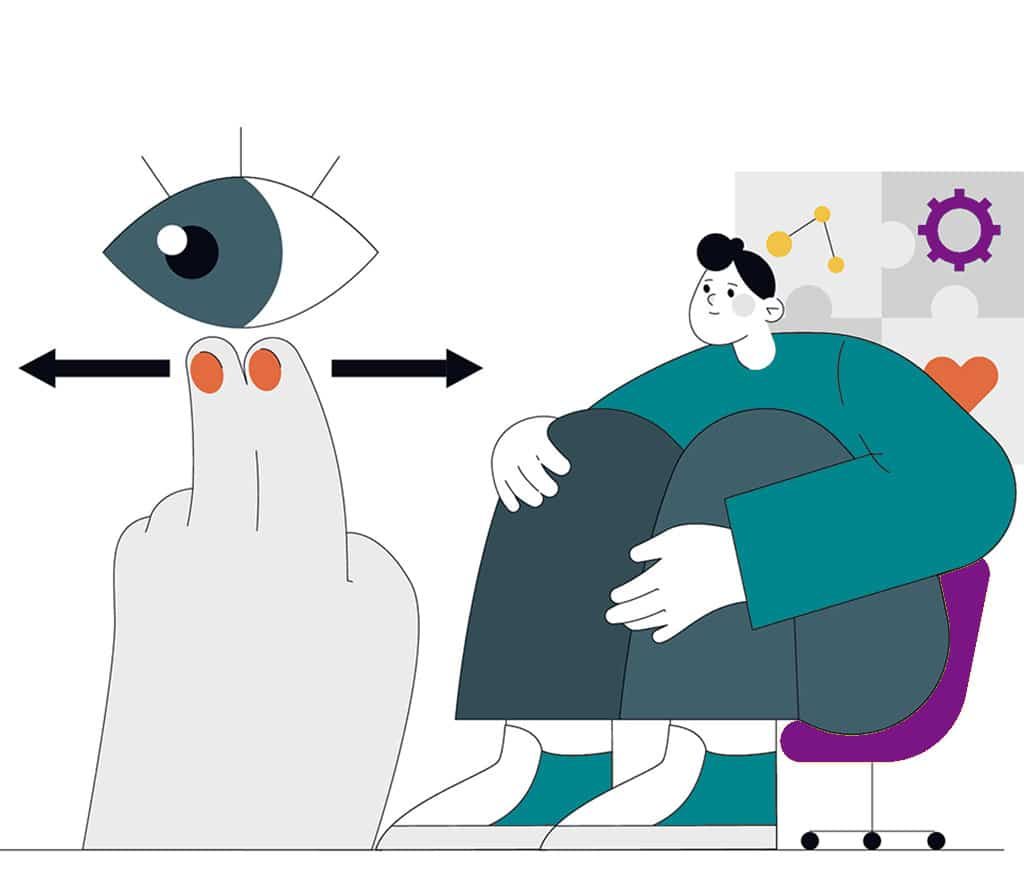
Live, interactive virtual training via Zoom.

The complete EMDR Basic Training includes:

• 20 hours of didactic instruction
• 20 hours of supervised practicum
• 10 hours of consultation

Full attendance and active participation are required. Participants must have cameras on during live training sessions and participate in experiential practicum exercises.

Tuition: $1,450

Tuition includes the complete EMDR Basic Training program:
• Two three-day live virtual training sessions
• 20 hours of didactic instruction
• 20 hours of supervised practicum
• 10 hours of consultation
• Digital training materials and supplemental resources
• Access to the online course platform

Following Part 1, participants will begin applying EMDR therapy with appropriate clients and will use consultation to support clinical application, address questions and challenges, and prepare for Part 2.
40 CEs are available for an additional fee of $80.

Cancellations must be submitted in writing via email. Refunds will be issued according to the following schedule:

• Cancellations made more than 14 days before the first day of training: Full refund minus a $50 administrative fee.
• Cancellations made 7–14 days before the first day of training: 50% refund.
• Cancellations made less than 7 days before the training start date: No refund will be issued.

If the training is canceled by the trainer for any reason, registrants will receive either a full refund or the option to transfer their registration to a future training date.

Requests to transfer registration to a future training date must be submitted at least 7 days before the scheduled training start date.

Trainees with concerns or complaints related to the EMDR Basic Training experience are encouraged to contact Jill Harmon directly.

Contact Information
Email: Jill@MindfulnessMattersNY.com
Phone: (845) 292-4403

All grievances will be acknowledged within three business days and responded to within ten business days.

Mindfulness Matters Psychotherapy is committed to addressing concerns in a timely, respectful, and professional manner.

If a matter involves a conflict of interest or cannot be resolved directly, referral information may be provided for another EMDRIA Approved Consultant and/or EMDRIA’s Ethics Committee, as appropriate.

Mindfulness Matters Psychotherapy is committed to providing an accessible learning experience. Participants who require reasonable accommodations to fully participate in the training are encouraged to contact Jill Harmon in advance of the training.

Email: Jill@MindfulnessMattersNY.com
Phone: (845) 292-4403

There are no known conflicts of interest for this workshop.

EMDR Basic Training Details

Part One — Day 1

8:30–9:00 AM
Orientation, training expectations, participant introductions, and overview of EMDR Basic Training requirements

9:00–10:10 AM
History of EMDR Therapy and Adaptive Information Processing Model

10:10–10:25 AM
Break

10:25 AM–12:15 PM
History-Taking, Preparation Phases, and AIP Targeting Review

12:15–1:15 PM
Lunch

1:15–2:15 PM
Video Observation and Discussion: History-Taking and Preparation

2:15–3:15 PM
Role Play: Treatment Planning and Preparation

3:15–5:00 PM
Client Preparation Practice
Includes a 15-minute break

Part One — Day 2

8:30–9:00 AM
Morning Q&A and Overview

9:00–10:10 AM
Assessment and Desensitization Phases

10:10–10:25 AM
Break

10:25 AM–12:15 PM
Installation, Body Scan, and Closure Phases

12:15–1:15 PM
Lunch

1:15–2:15 PM
Video Observation and Discussion: Assessment and Desensitization

2:15–3:15 PM
Role Play: Assessment Vignettes

3:15–5:00 PM
Standard Protocol Practice
Includes a 15-minute break

Part One — Day 3

8:30–9:00 AM
Morning Q&A and Overview

9:00–10:10 AM
Reevaluation Phase

10:10–10:25 AM
Break

10:25 AM–12:15 PM
Developing Future Templates

12:15–1:15 PM
Lunch

1:15–2:15 PM
Video Observation and Discussion: Future Templates

2:15–3:15 PM
Role Play: Future Templates

3:15–5:00 PM
Phase 8 Skill Building
Includes a 15-minute break

Part Two — Day 4
8:30–9:00 AM
Morning Q&A and Overview

9:00–10:10 AM
Complex Case Conceptualization

10:10–10:25 AM
Break

10:25 AM–12:15 PM
Extended Resourcing Interventions

12:15–1:15 PM
Lunch

1:15–2:15 PM
Video Observation and Discussion: Extended Resourcing

2:15–3:15 PM
Role Play: Complex Case Vignettes

3:15–5:00 PM
Resourcing Interventions Practice
Includes a 15-minute break

Part Two — Day 5

8:30–9:00 AM
Morning Q&A and Overview

9:00–10:10 AM
Managing Abreactions and Blocked Processing

10:10–10:25 AM
Break

10:25 AM–12:15 PM
Cognitive Interweaves

12:15–1:15 PM
Lunch

1:15–2:15 PM
Video Observation and Discussion: Cognitive Interweaves

2:15–3:15 PM
Role Play: Using Interweaves

3:15–5:00 PM
Complex Desensitization Practice
Includes a 15-minute break

Part Two — Day 6

8:30–9:00 AM
Morning Q&A and Overview

9:00–10:10 AM
Special Protocols and Selected Populations

10:10–10:25 AM
Break

10:25 AM–12:15 PM
Professional Development, Ethics, Cultural Humility, Fidelity, and Continued Learning

12:15–1:15 PM
Lunch

1:15–2:15 PM
Video Observation and Discussion: Recent Event Protocol

2:15–3:15 PM
Role Play: Recent Event Protocol

3:15–5:00 PM
Protocol Integration Practice
Includes a 15-minute break

The program includes 10 hours of group consultation provided by Jill Harmon, an EMDRIA Approved Consultant. Consultation is scheduled separately and supports integration of EMDR therapy into clinical practice through case discussion, treatment planning, target selection, protocol fidelity, and questions arising from clinical application.

Jill-Harmon-LCSW-R-CCTP-Mindfulness Matters Psychotherapy

Jill Harmon, LCSW-R, CCTP-II

• EMDRIA Approved Trainer
• EMDRIA Approved Consultant
• EMDRIA Certified Therapist